How a Visit Actually Works
We understand that having someone come into your home, when you are already feeling vulnerable,
can feel daunting.
But we want you to feel comfortable and confident that we are equipped to take great care of you and your whānau.
We understand that having someone come into your home, especially during a vulnerable season, can feel daunting.
But we want you to feel comfortable and confident that we are equipped to take great care of you and your whānau.
Step 1: We contact you and arrange a time to come that fits in with your schedule and needs.
Step 2: We leave our shoes at the door and introduce ourselves, taking time to listen to how you are feeling in that moment, and how we can best support you for this specific session.
We approach all homes and conversation with no judgement and no assumptions.
Step 3:
Either… You have a clear idea of where we can be most useful and we work efficiently and respectfully, doing the tasks we have agreed upon.
Or… You have decision fatigue and don’t know what would be most helpful. When that’s the case we fully understand, and simply get to work resetting the space, cleaning, sorting, ensuring you’re hydrated and fed. Ultimately, we use our initiative and consider how we can best lighten the current load.
Step 4: We finish our session, making sure you’re feeling encouraged, more supported, and more rested than when we arrived.

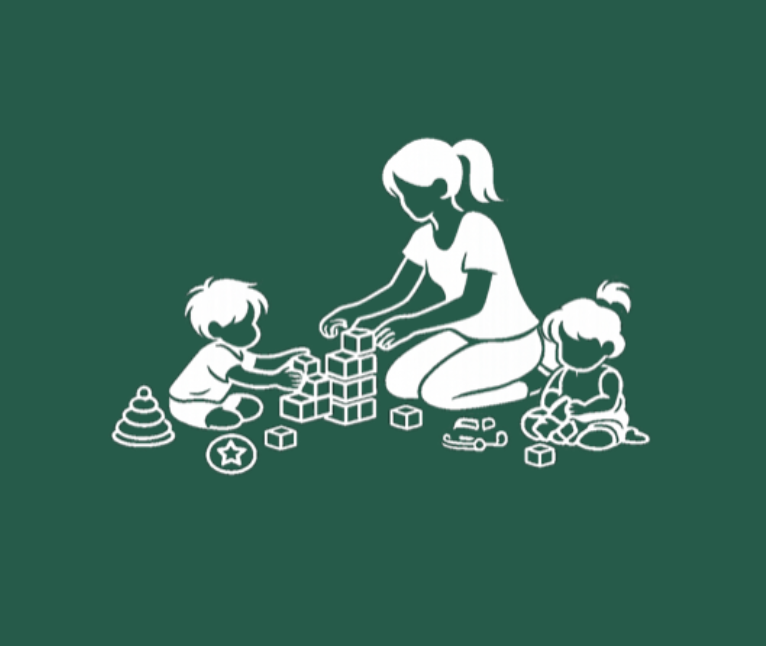
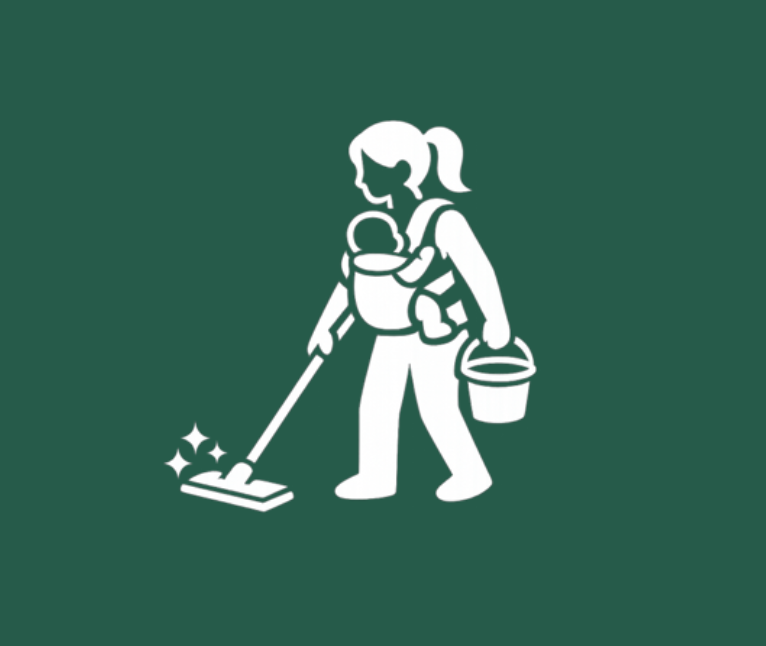
What we do:
Supervise children while you shower, rest, or take a moment for yourself
Laundry, tidying, dishes, and light cleaning
Companionship and conversation
Attend appointments with you as your support person
Help with errands like grocery top-ups or vehicle servicing
Meal prep, baking, and preparing easy snacks
Organise baby supplies and restock essentials
Provide personalised support that fits your needs, routines, and family situation
What we don’t do:
Judge your home, parenting, or circumstances
Expect you to clean or prepare before we arrive
Rush conversations when you need someone to listen
Share your personal information or photos from your home
Provide medical care or clinical advice
We don’t think asking for help is failure